Where Plastic Meets Flesh
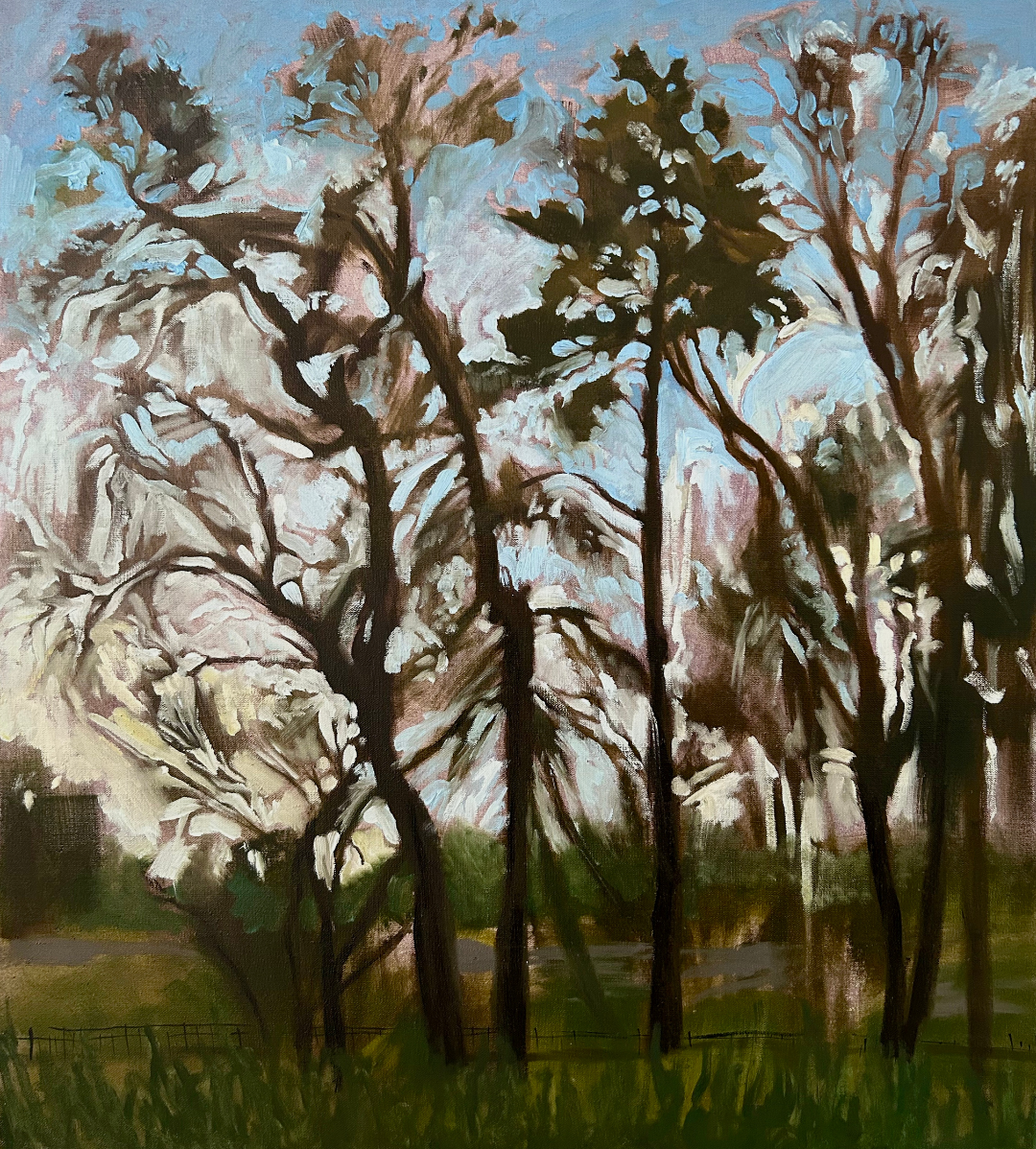
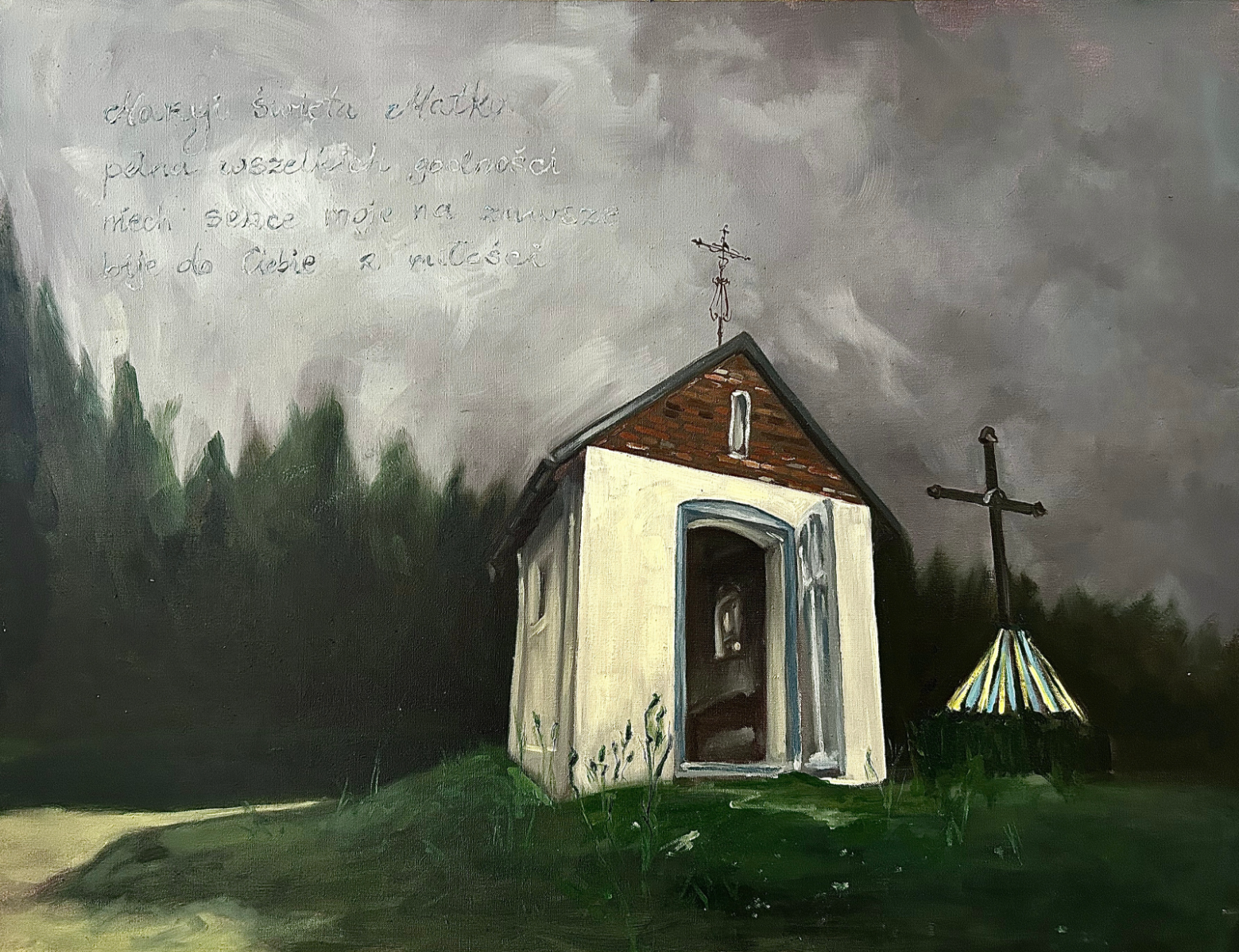
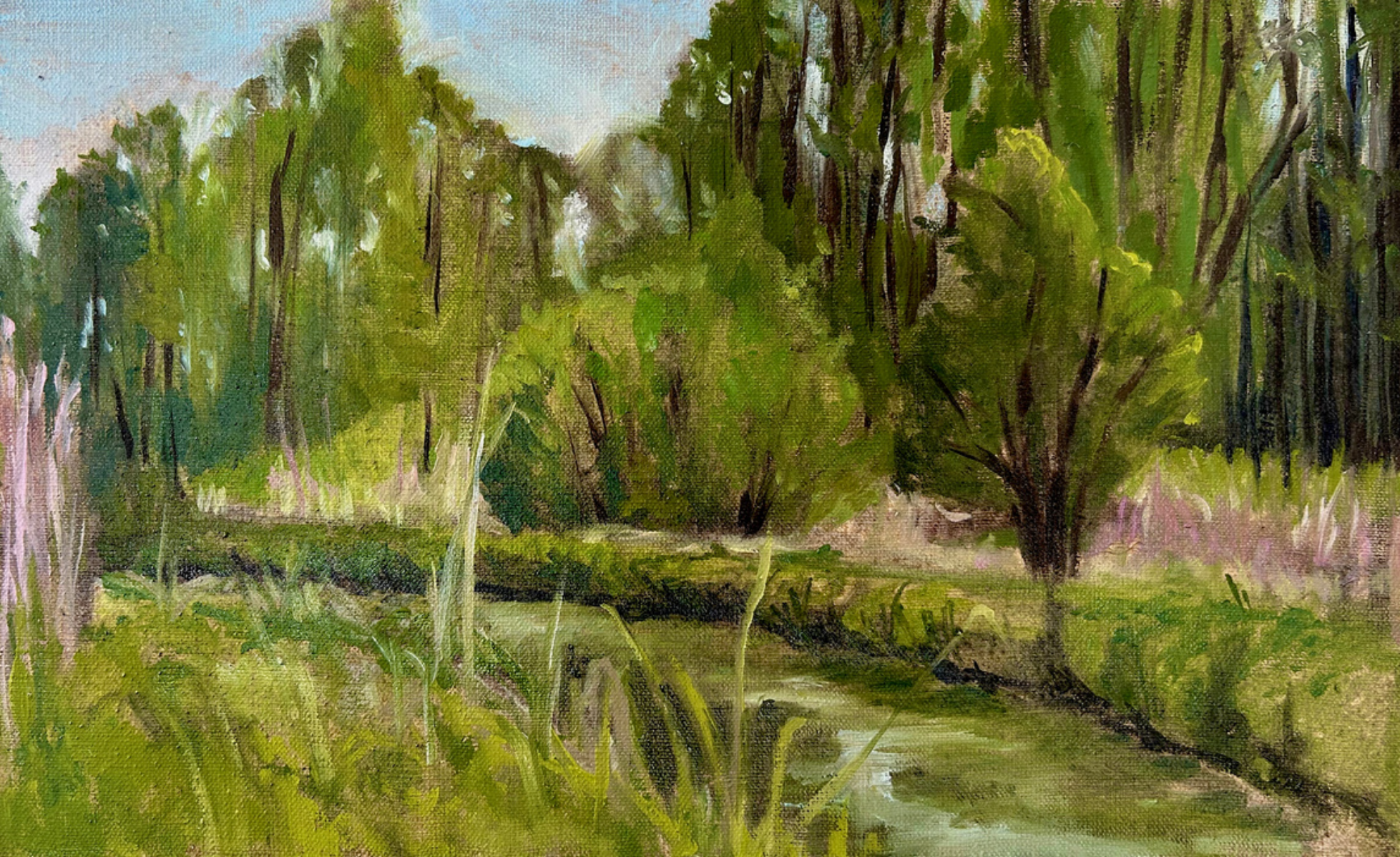
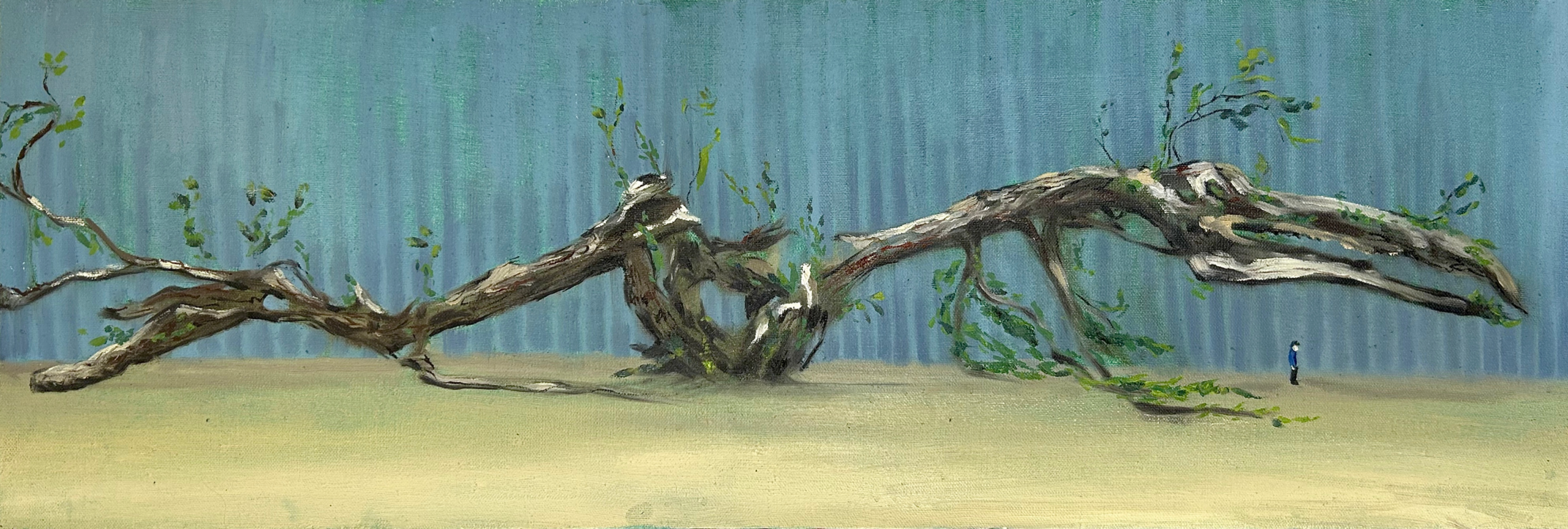
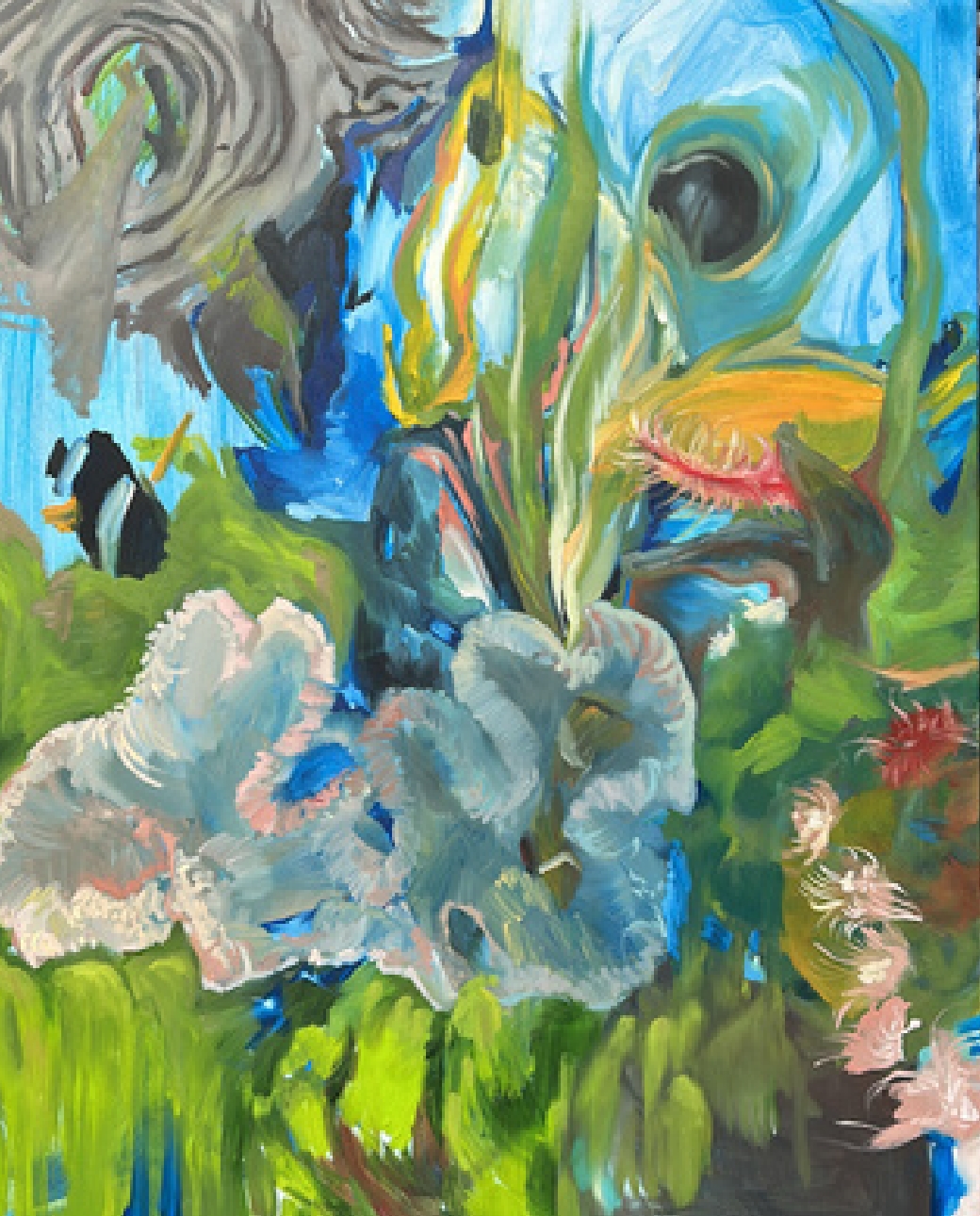
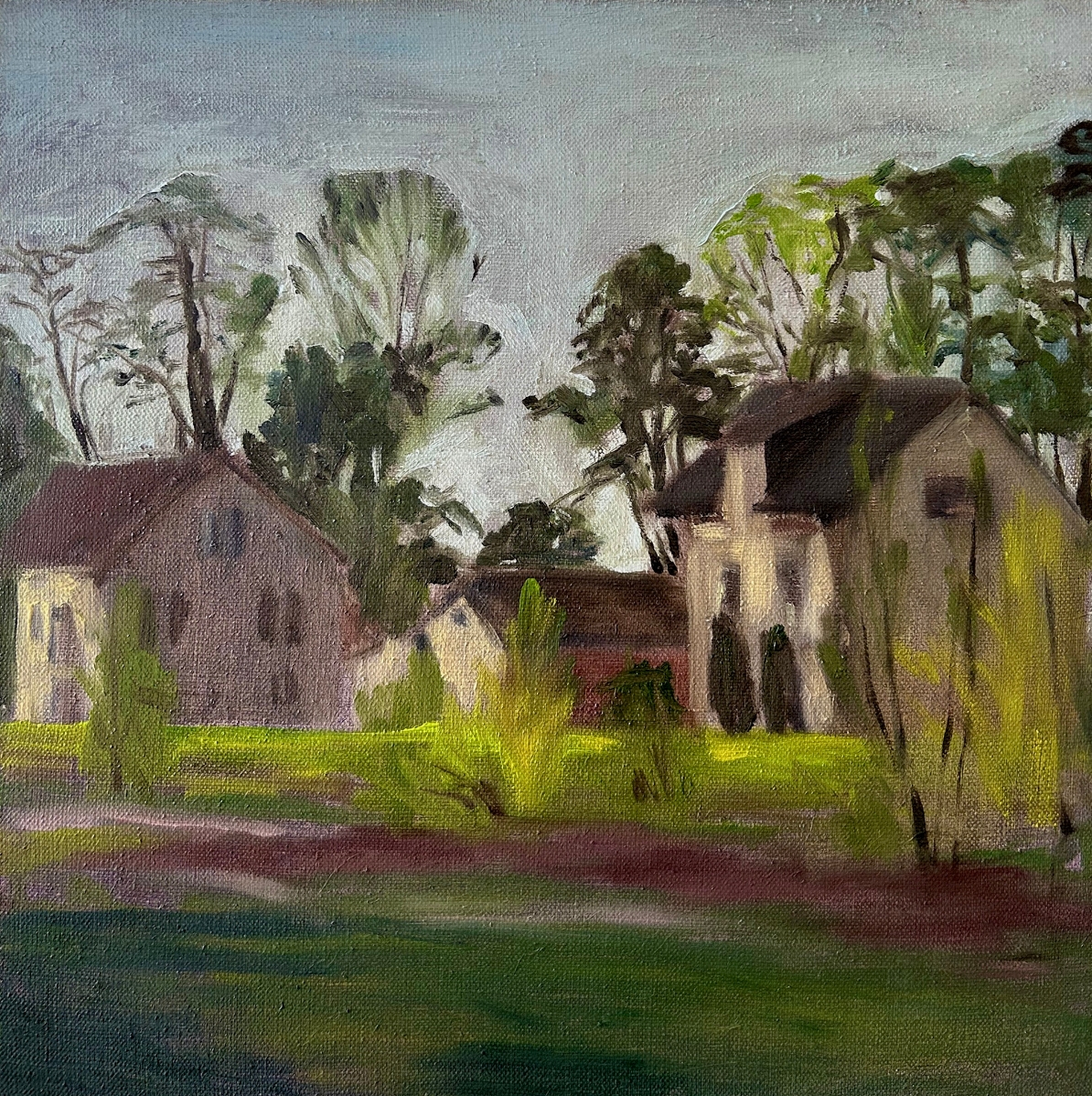
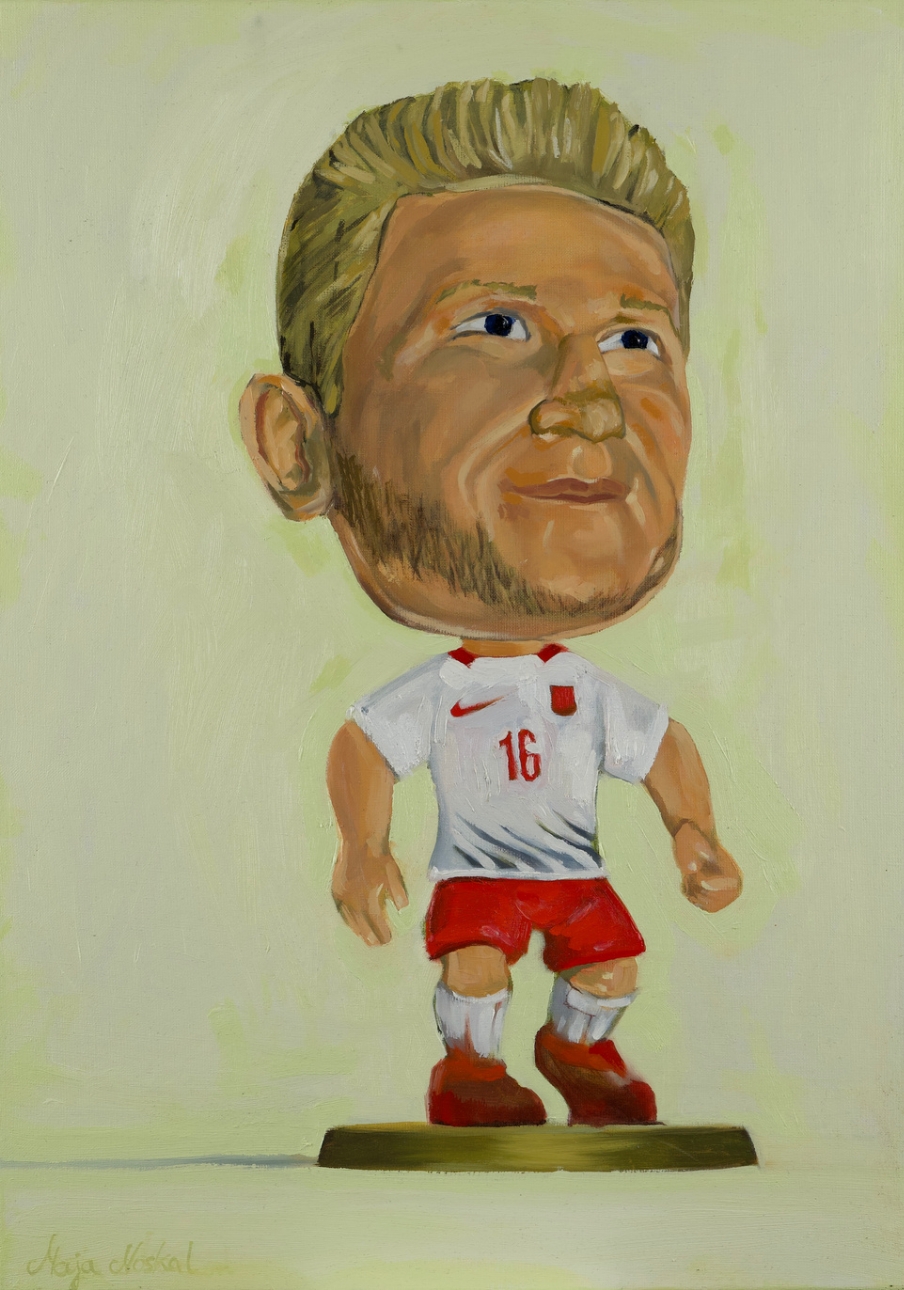
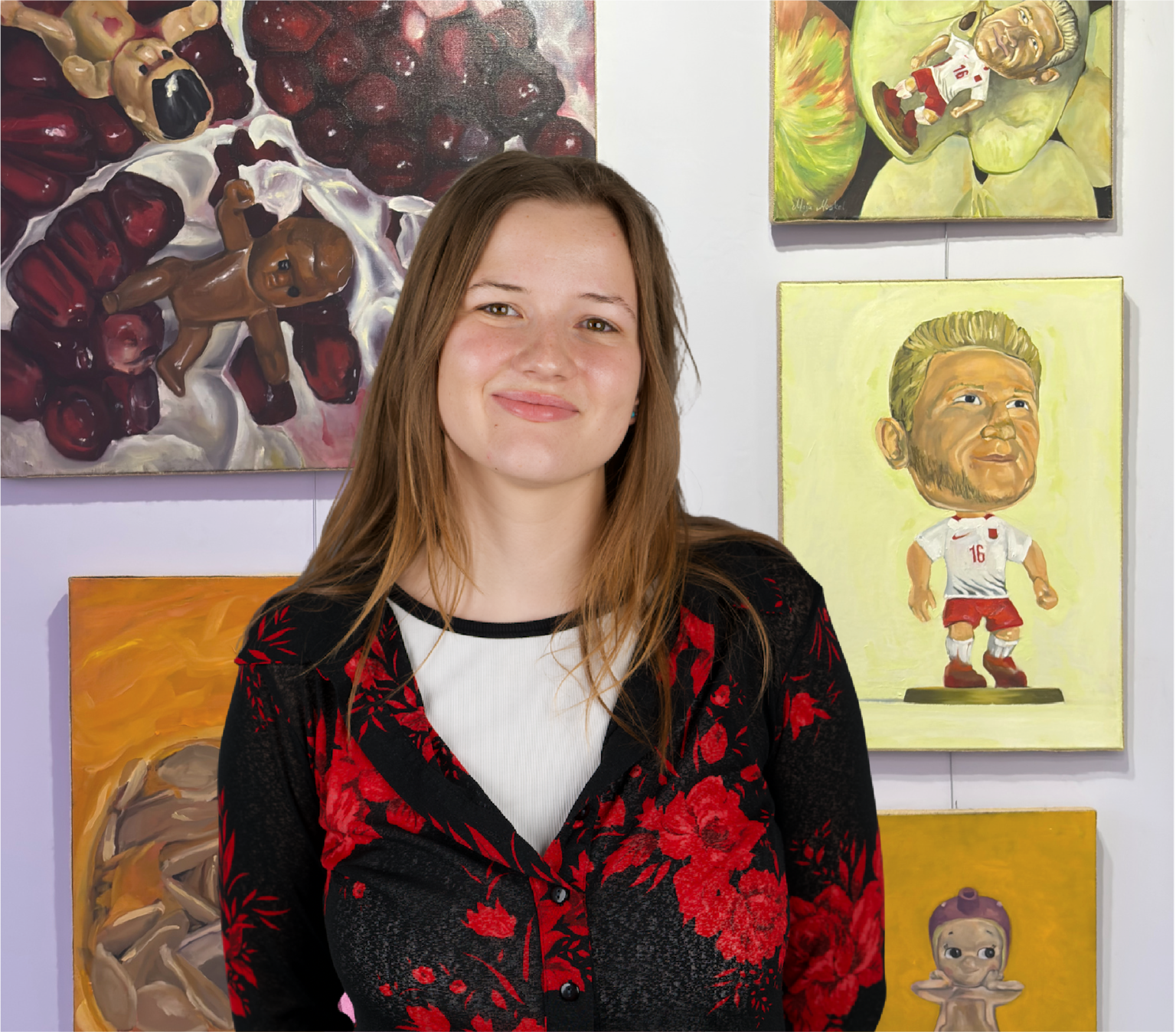
Maja Moskal is a young Polish artist born in 2001 in the Tri-City region of Poland, currently studying painting at the Academy of Fine Arts in Warsaw. Her practice develops at the intersection of painting and textile, combining figurative sensitivity with material experimentation.
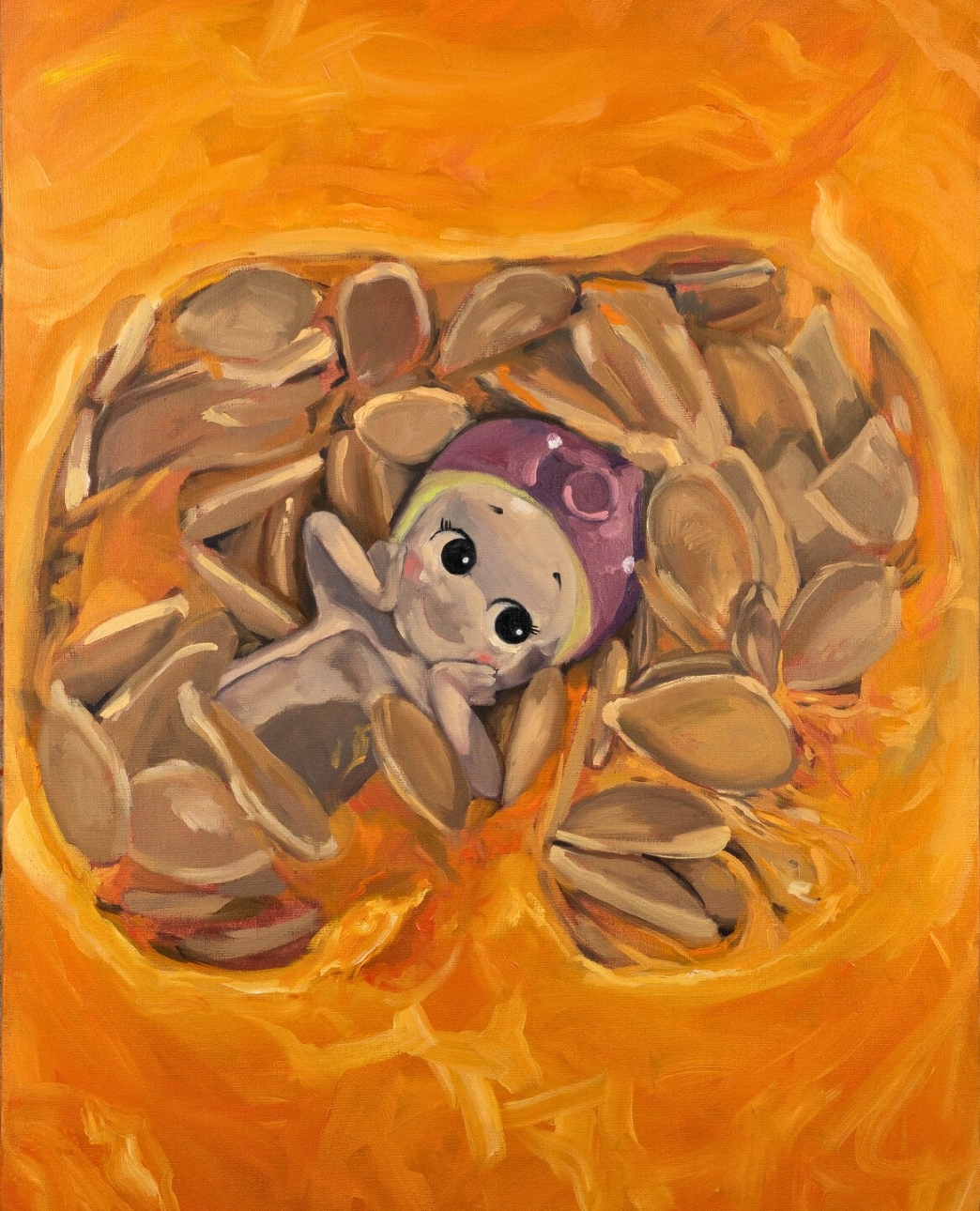
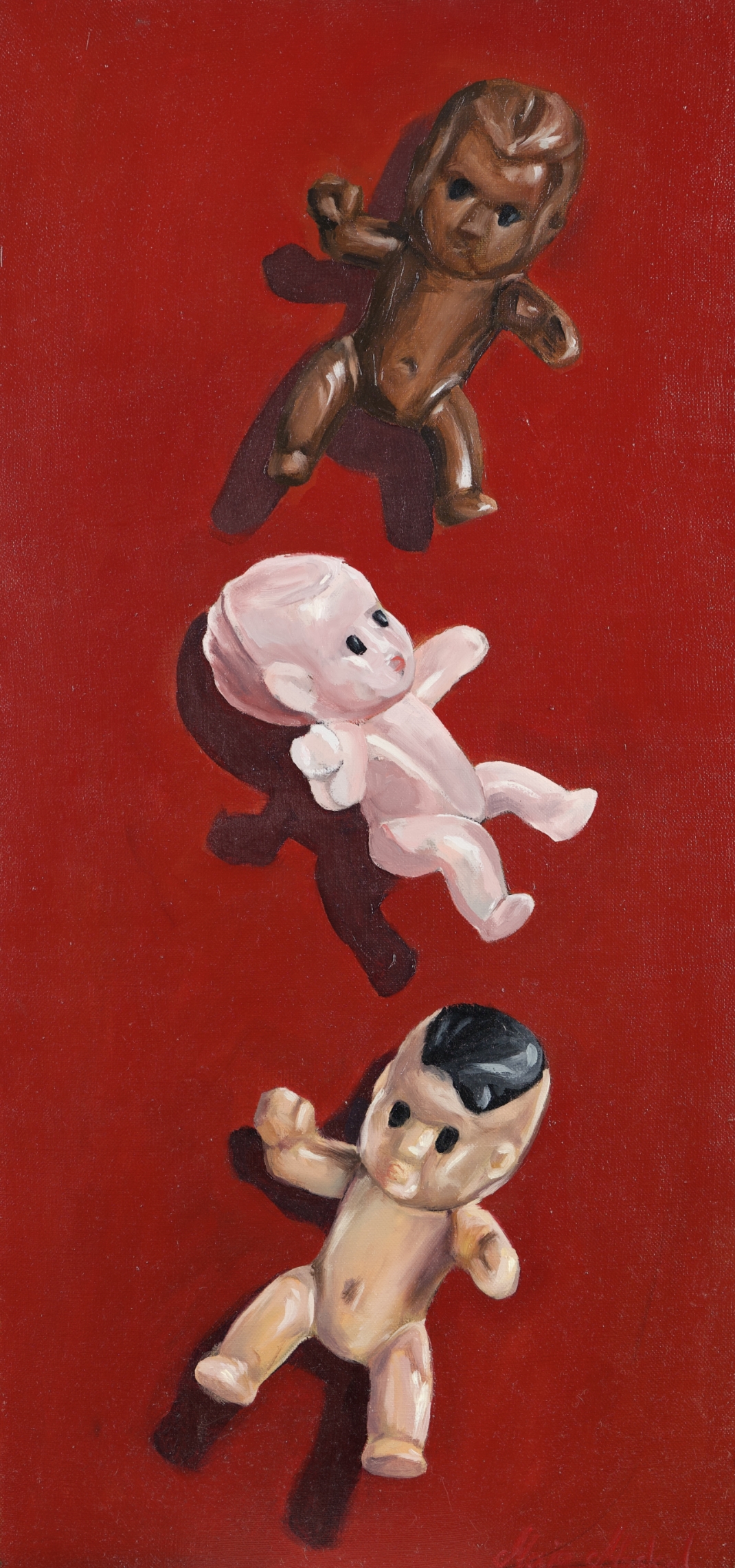
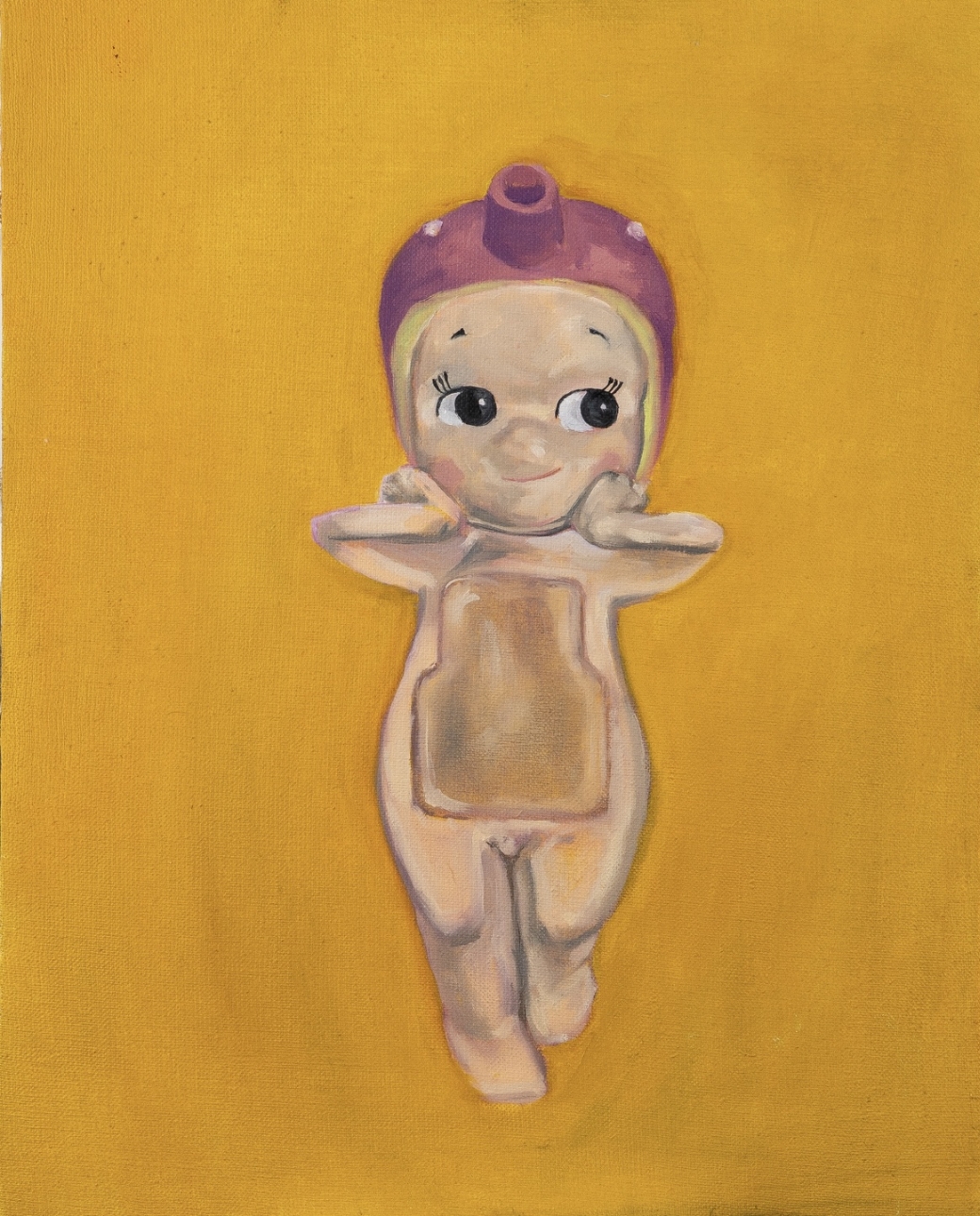
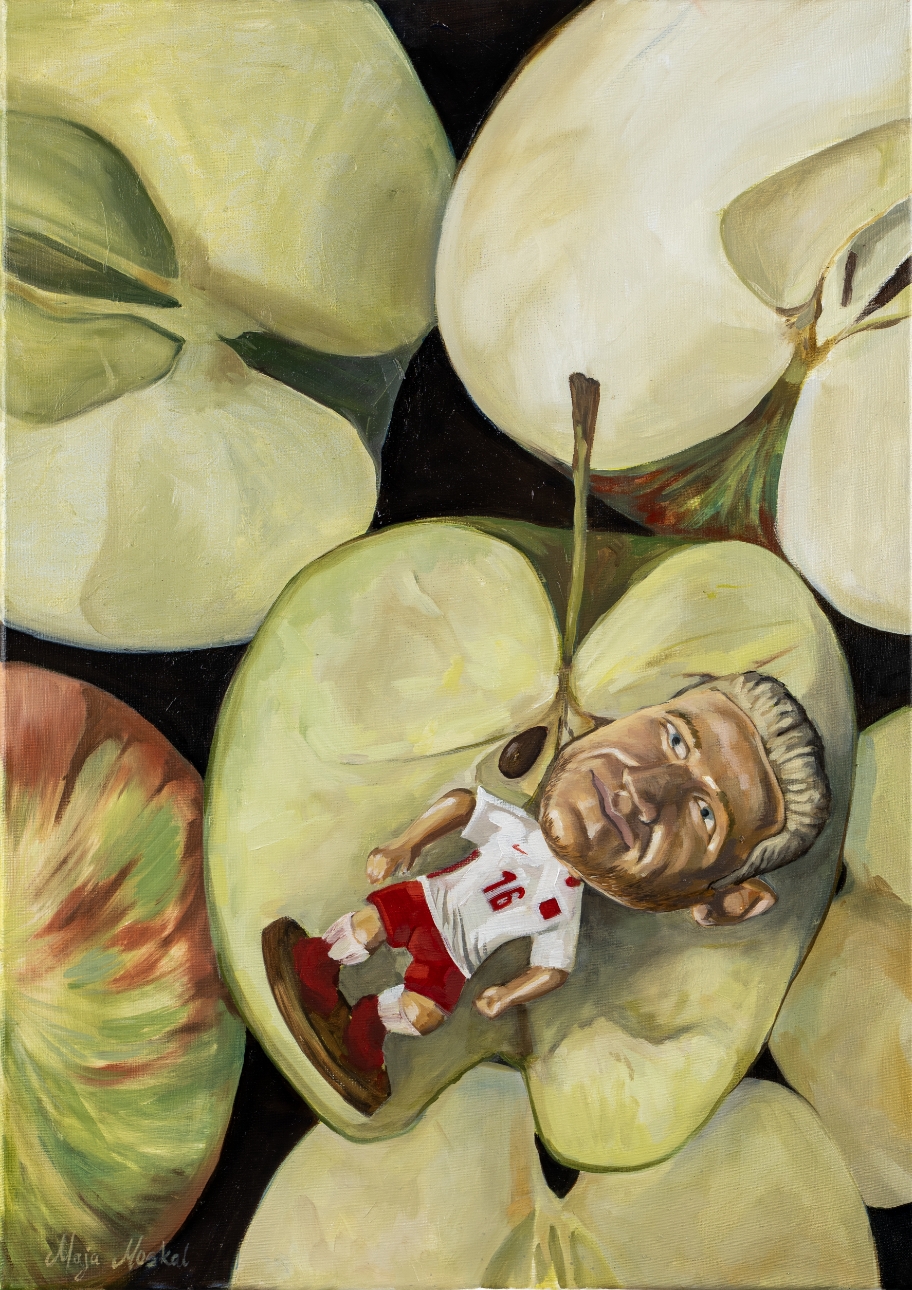
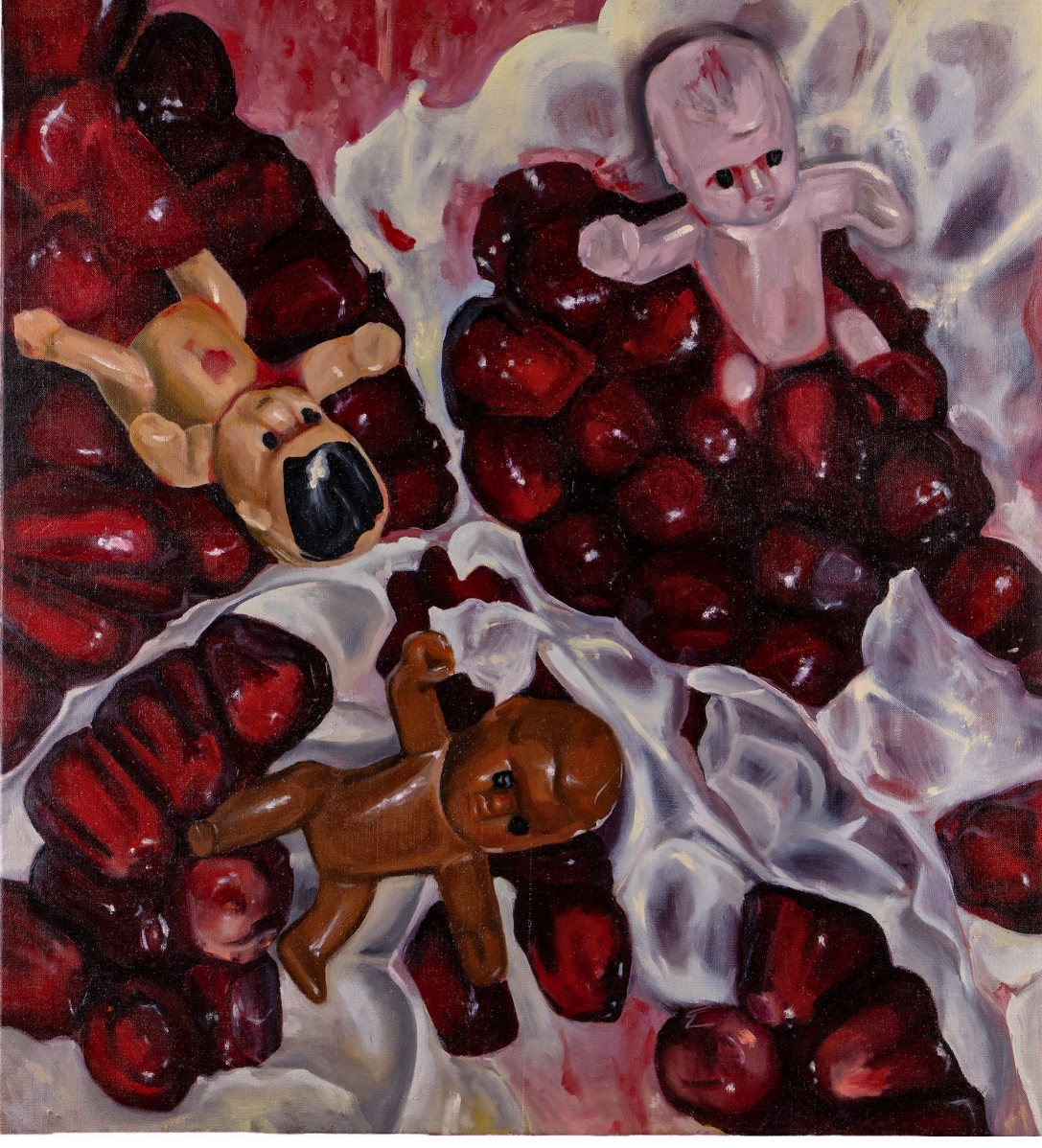
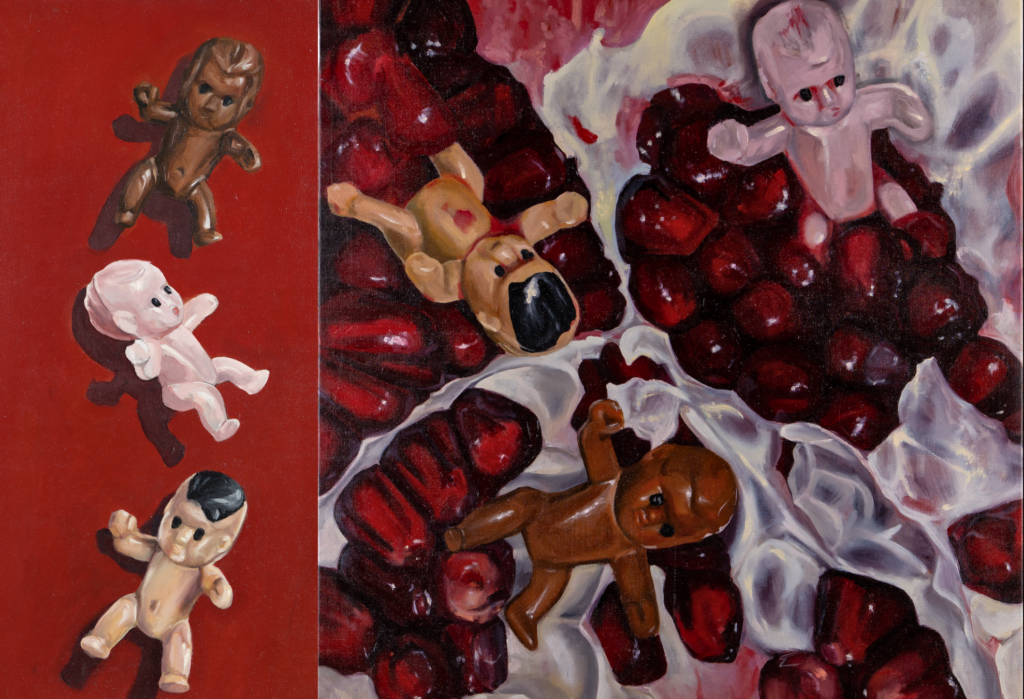
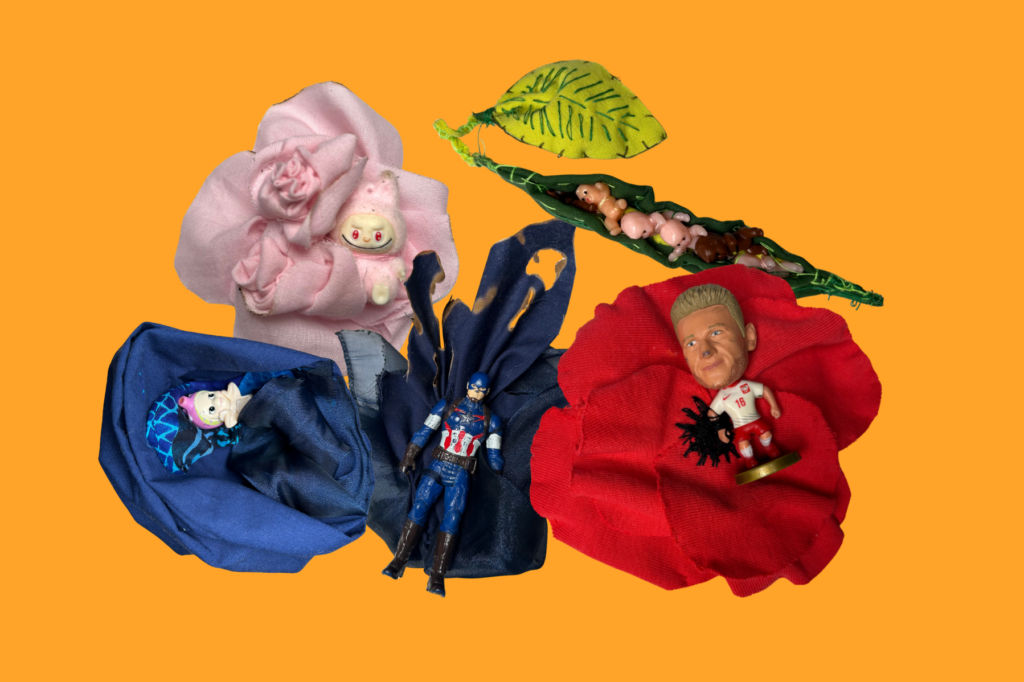
Rooted in a deeply personal process, her work explores emotional contradictions, questions of belonging, and the relationship between the human body and the living world.Initially drawn to intuitive and surrealist forms, Moskal has gradually moved toward a figurative language where gesture, materiality, and symbolism play a central role. Her series Babies in Fruit marks a pivotal moment in this development, revealing an artistic vocabulary where organic matter and artificial elements coexist in a space of tension, vulnerability, and reflection.
As she writes: “Two extremely different things meet and coexist.”
PICTORAL MATTER AS LIVING SPACE
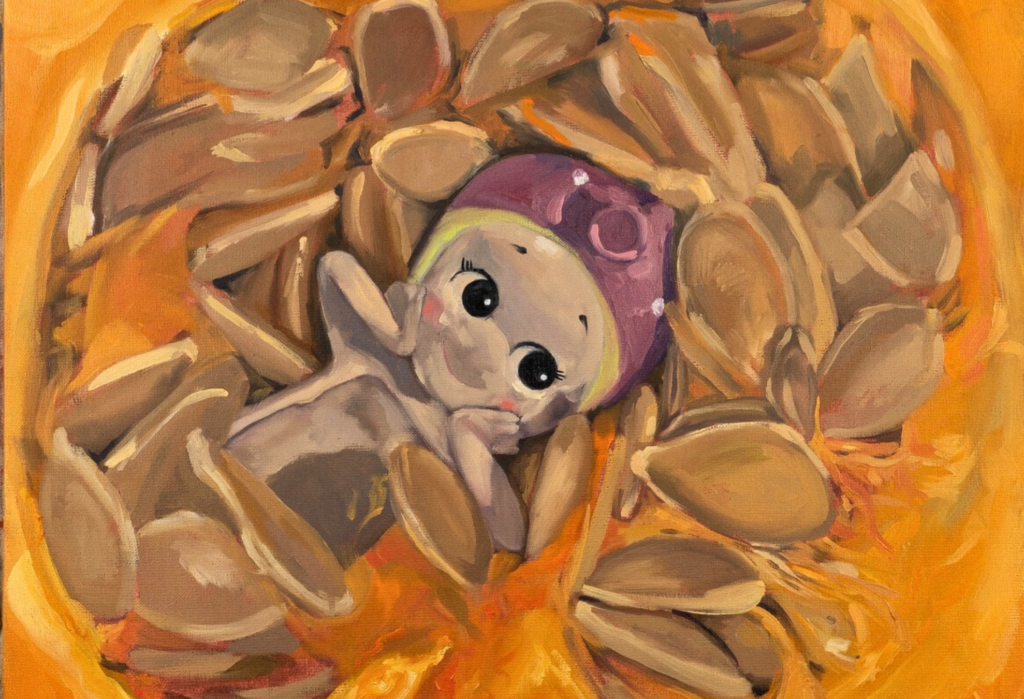
In Babies in Fruit, the fruit is not simply a symbolic object but a living pictorial space. Through visible brushstrokes, dense chromatic layers, and tactile textures, the painted surface becomes almost bodily — a material environment that surrounds and absorbs the figure.The contrast between the smooth, plastic-like character and the visceral organic texture of the fruit creates a strong visual and emotional tension. Moskal does not seek to oppose these elements, but to reveal their coexistence. As she explains: “Plastic does not come from another planet than fruit. They may seem different, but in reality they intertwine and coexist.” Painting becomes a place where opposites can meet without needing to be resolved, suggesting that difference itself can become a form of harmony.
A Reflection on Inner Integration
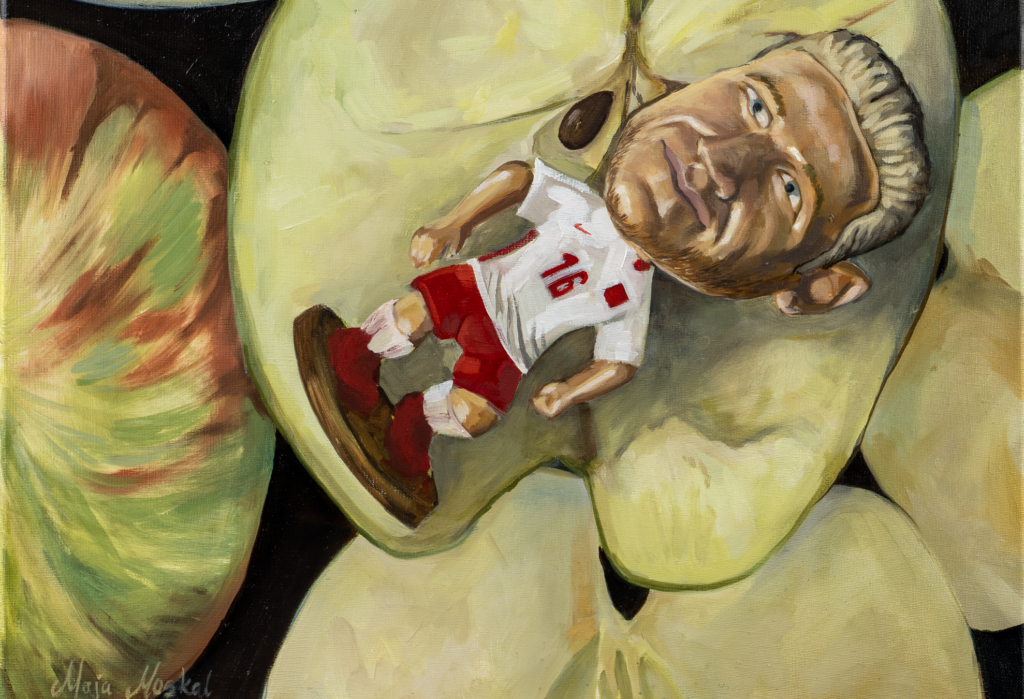
Beyond its visual language, the series reflects an intimate internal process. Created over time and through changing personal relationships, the works became witnesses to the artist’s evolving relationship with herself. Moskal describes a persistent feeling of wandering — a sense of moving forward without a clearly defined destination — and a desire to find meaning within the present moment rather than in an imagined end point.The child placed within the fruit becomes a metaphor for accepting what feels unfamiliar or uncomfortable. The artist describes the series as representing “a need for inner integration.” Instead of escaping what feels strange, she attempts to anchor herself within it, allowing contradiction to exist without forcing resolution. The works suggest that belonging may emerge not from clarity, but from acceptance.
A Painting of Sincerity
Moskal’s recent artistic direction expands this research through the integration of textile into her practice. Moving away from strict precision, she increasingly searches for gesture, movement, and openness. Fabric becomes an active material rather than a neutral support: it folds, overlaps, and interrupts the painted surface, introducing unpredictability into the composition.This shift reflects her belief that artistic value does not lie in perfection but in authenticity. As she writes: “There is no perfect or final visual effect. There are works characterized by a certain sincerity.” The introduction of textile allows painting to become more spatial and process-oriented, emphasizing transition rather than completion. Gesture replaces control, and the work begins to exist between image, object, and environment.
To put it into a nutshell...
Through Babies in Fruit and her current explorations with textile, Maja Moskal develops a practice grounded in coexistence — between artificiality and nature, control and spontaneity, fragility and strength. Her work reflects an ongoing personal journey, where painting becomes a way to navigate uncertainty and accept the complexity of experience.At the same time, the work reveals a movement toward greater lightness and optimism. Moskal has expressed a desire for her art to carry a positive impact rather than remain purely decorative, seeking sincerity and empathy within the act of creation. Still at an early stage of her artistic path, she explores themes that are deeply personal — integration, vulnerability, and the search for home — allowing these questions to shape her evolving visual language. Her work shows significant potential: a practice capable of growing toward increasingly free and expressive forms, where material and emotion continue to coexist on the same living surface.